

This program aims to bridge the gap between knowledge generation and policymaking by enhancing research infrastructure, facilitating coordinated knowledge production, and promoting knowledge-based policymaking. The objective is to ensure that policies are informed by accurate, comprehensive, timely, and context-specific evidence, thereby fostering sustainable people-centered development.
Given its available energy resources, Sudan has the potential for enjoying a more stable and equitable energy supply if appropriate policy frameworks are put into effect. Considering the two main energy forms that the country makes use of, namely, oil and electricity, several intersecting and sector-specific areas need to undergo drastic transformations.

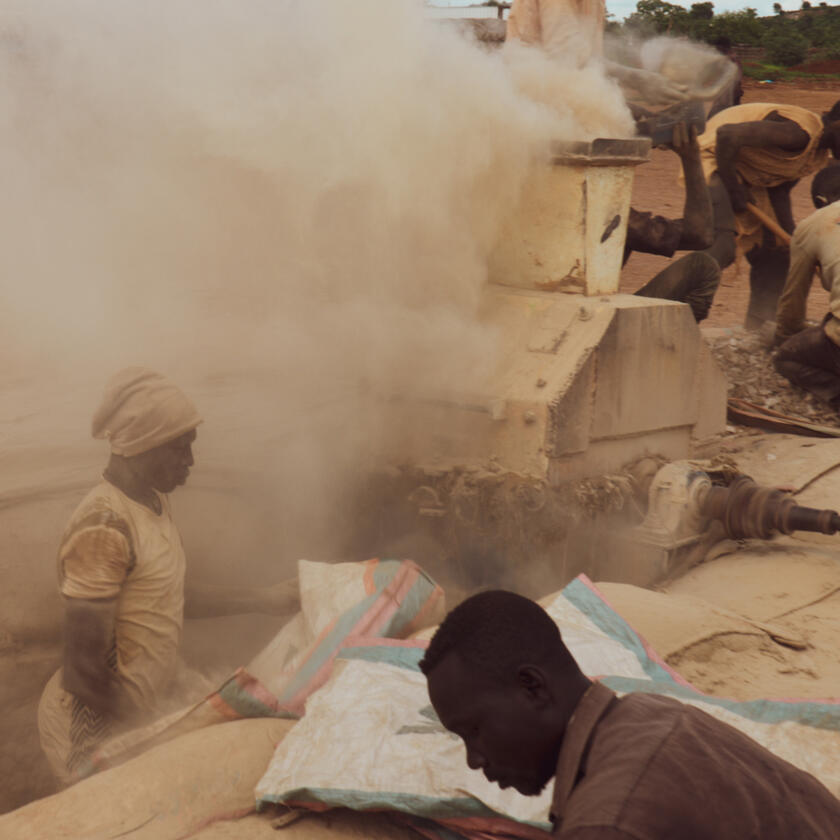
An industrialized Sudan is one with more decent jobs, higher productivity, advancing technological capabilities, and exporting goods with higher value-added. These are the benefits necessary for the prospIndustrial Policy Programerity of any modern human society, generally unattainable without industrialization. For such prosperity to take place and realize material benefits for the society, industry and industrialization must be guided and defined by people centered values, according to which trade-offs between industries and industrial options are to be made prioritizing life of current and future generations
This program aims to transform Sudan’s agri-food system into a dynamic catalyst for unity, resilience,
and sustained peace. The program emphasizes meaningful community participation across the agri-food value chain, prioritizing the responsibilities and rights of small-scale actors, who form the backbone of Sudan’s agri-food systems.

 English
  العربية